Storms around Ghost Lake can move in fast and leave just as quickly, but the effects they have on your roof can linger long after the clouds clear. Between strong prairie winds, sudden hail bursts, heavy snowfall, and freeze-thaw cycles, roofs in this part of Alberta take on a unique kind of stress. That’s why knowing how to spot roof damage early is so important. Catching problems sooner rather than later can help homeowners protect their investment, avoid more extensive deterioration, and plan ahead with confidence.
Roof damage doesn’t always announce itself with obvious leaks or missing materials. In many cases, issues begin subtly and worsen over time, especially in climates like Ghost Lake’s, where weather extremes are the norm. Understanding why storm damage happens here, and what to look for afterward, can make all the difference.
Why Roof Damage Happens Around Ghost Lake
Homes near Ghost Lake are exposed to open landscapes that allow wind to travel with little resistance. Strong gusts can lift, loosen, or bend roofing materials, particularly asphalt shingles and metal panels. Over time, even small movements can compromise how well a roof sheds water.
Hail is another major factor. While hailstones don’t need to be massive to cause problems, repeated impacts can bruise asphalt shingles, weaken protective granules, or dent metal roofing. These impacts may not break through immediately, but they can shorten the lifespan of the roofing system and make it more vulnerable during the next storm.
Cold temperatures also play a role. Freeze-thaw cycles may make roofing materials expand and contract, which can lead to cracking, separation, or fastener fatigue. On flat or low-slope residential roofs, melting snow that refreezes can place extra stress on seams and drainage areas.
All of these conditions mean that storm damage to a roof in this area is often cumulative rather than instant, which is why early detection matters.
How to Spot Roof Damage Early
After a storm passes, it’s smart to do a careful visual check from the ground and around your property. You don’t need to climb onto the roof to notice early warning signs.
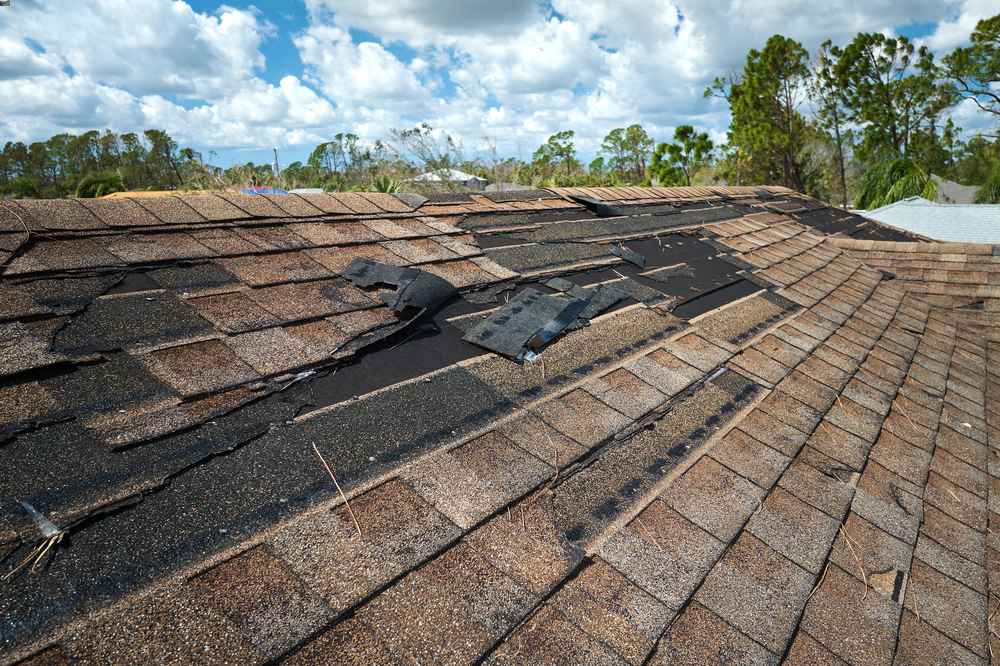
Start by looking for shingles that appear uneven, curled, or slightly lifted. Architectural and premium asphalt shingles are designed to be durable, but high winds can still disturb their placement. If shingles don’t lie flat, water can work its way underneath over time.
Pay attention to granules. If you notice excessive granule buildup near downspouts or at the base of your home, it may indicate that asphalt shingles have taken a hit from hail or wind-driven debris. Granule loss reduces UV protection and accelerates aging.
Metal roofing should also be checked visually. Dents, rippling, or panels that appear slightly out of alignment can suggest storm impact or wind movement. Standing seam systems are built to handle harsh weather, but fasteners and seams still deserve attention after major events.
Inside the home, look for subtle clues. Water stains on ceilings or walls near exterior walls or around chimneys, can point to early moisture intrusion. A musty smell in your attic can also signal trapped moisture before visible damage appears.
For homes with residential flat roofing systems like modified bitumen or EPDM, watch for changes in drainage patterns. Pooled water that lingers longer than usual or visible surface irregularities can indicate stress from snow load or freeze-thaw cycles.
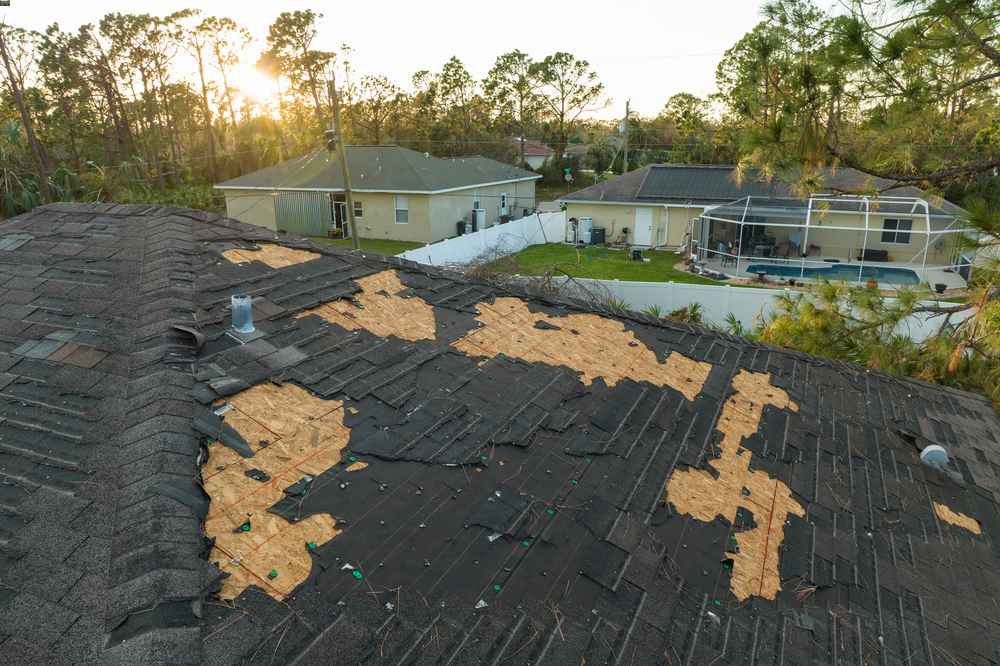
Why Early Detection Matters
Storm damage that goes unnoticed doesn’t stay small. Minor material shifts can lead to moisture infiltration, insulation issues, and structural stress over time. Early awareness gives homeowners the opportunity to make informed decisions, plan next steps, and avoid being caught off guard by more serious roofing concerns down the line.
In Ghost Lake’s climate, where one season blends quickly into the next, staying proactive is often the best defense.
How Mountaintop Roofing Can Help
At Mountaintop Roofing Inc., we bring over 15 years of experience and three generations of roofing knowledge to every project. Our team understands how Alberta’s weather affects different roofing systems, from architectural and impact-resistant asphalt shingles to standing seam metal and residential flat roofing.
We focus on thorough inspections, clear communication, and helping homeowners understand what’s happening on their roof and why. By offering personalized guidance and high-quality roofing solutions designed for local conditions, we help homeowners plan with confidence after severe weather events.
If your home has been through a Ghost Lake storm and you want peace of mind, Mountaintop Roofing is here to provide expert insight, honest answers, and roofing solutions built to stand up to Alberta’s demanding climate.